資料來源#
這是什麼#
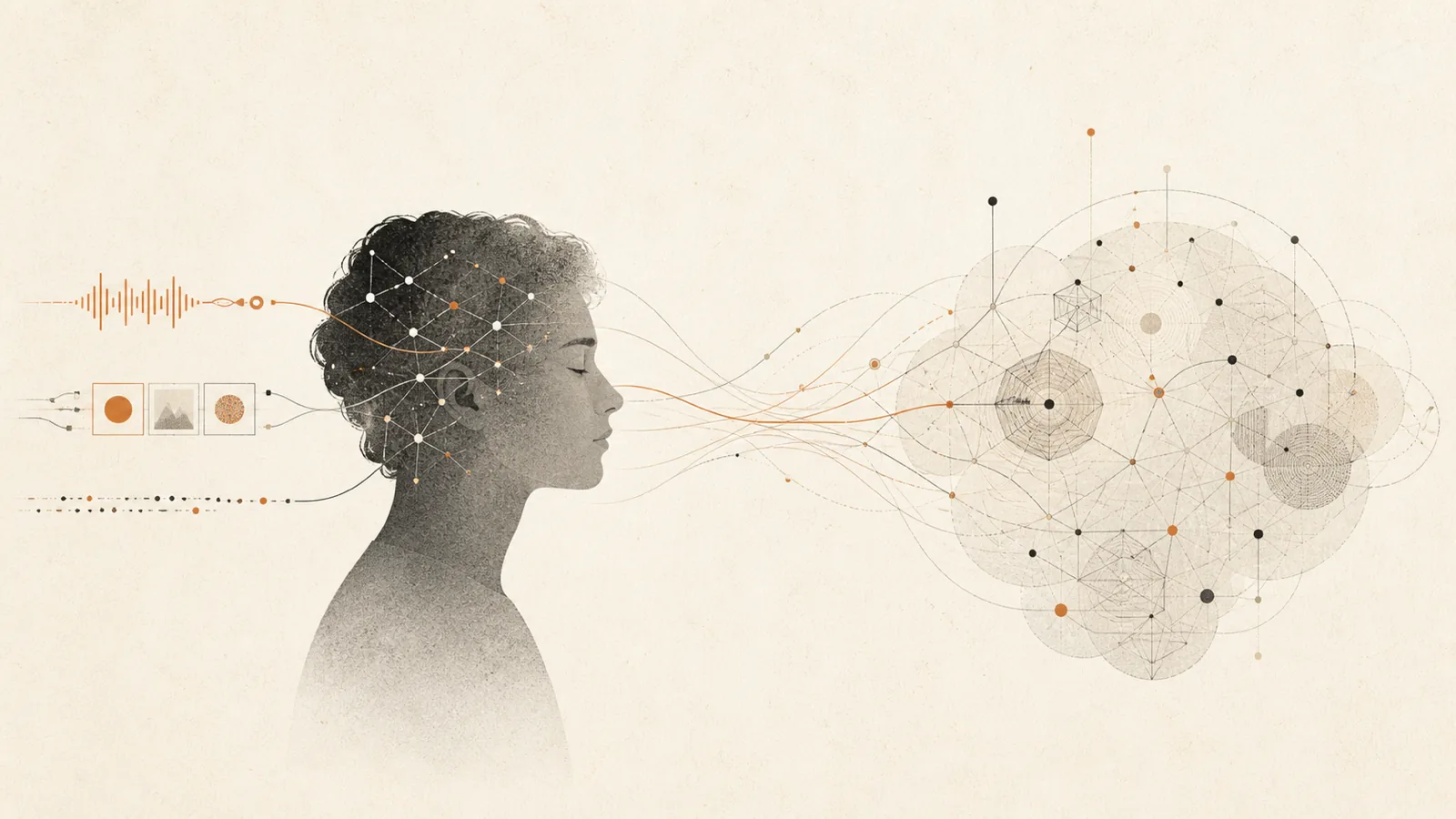
一家 AI 研究實驗室(以「Thinking Machines Lab: Connectionism」名義發布內容)。使命是:「打造能擴展人類意志與判斷力的 AI。」在這份 wiki 中,它最早以 Interaction Models 背後組織的身分出現——這是 2026 年 5 月的研究預覽,將即時人機協作重新定位為模型原生能力,而非 harness 的課題。到了 2026 年 7 月,其策略清楚呈現為三部分的堆疊:Tinker(託管微調平台——任何人都能客製化模型)、互動模型(協作介面),以及 Inkling(從零開始訓練、可供客製化的開放權重基礎模型系列)。
已推出的內容/提出的主張(本文所見)#
- Interaction Models(2026 年 5 月研究預覽)——能原生接收音訊、影片與文字,並即時思考、回應及採取行動的模型。首款模型:TML-Interaction-Small(276B MoE,啟用 12B)。
- Inkling(2026 年 7 月)——他們首款從零開始訓練、以完整權重發布的模型:975B/啟用 41B 的多模態 MoE、1M context、可控的思考量,並以 GB300 系統進行訓練,完成超過 30M 次 RL rollout。他們明確表示,Inkling 的定位不是最強模型,而是最適合在 Tinker 上微調的基礎模型;同步預覽的 Inkling-Small(276B/12B)具有與 TML-Interaction-Small 完全相同的規模。其設計目標是在互動模型系統中擔任背景推理模型(Interaction / Background Model Split)。
- Tinker——Inkling 上線使用的託管微調平台(64K/256K context、首日即有 Together/Fireworks/Modal/Databricks/Baseten 等服務合作夥伴,以及 SGLang/vLLM/llama.cpp 支援)。發布展示中,Inkling 自行撰寫並執行 Tinker 微調工作。他們針對微調預測模型的研究(「訓練 LLM 預測世界事件」)也促成了 Trained Calibration 配方。
- 立場:互動性應隨智慧一同擴展 → 因此必須內建於模型之中;他們引用 The Bitter Lesson,反對以 harness 建構即時系統(VAD、回合偵測)。
- 工程足跡:已將串流工作階段功能上游貢獻給 SGLang;發表了關於克服 LLM 推論中的非決定性的研究(批次不變核心),該研究被引用於訓練器與取樣器的對齊;先前也發布過 On-Policy Distillation 文章。
- 正在為互動性/人機協作基準設立研究補助計畫(詳情 TBA);互動模型將於「未來幾個月內」推出有限研究預覽,更廣泛的發布則預計在「今年稍晚」進行;並承諾於 2026 年稍後推出更大型模型。
關聯脈絡#
- 相較於 Turn-Based Interface Bottleneck 中受批評的實驗室(「AI 實驗室過度優化自主性」),他們提出不同的優先順序——隱含地反對 Anthropic 與 OpenAI 代理程式產品(Claude Code、Symphony)所展現的自主性優先框架。
- 他們主張 harness 會融入模型,這與 Harness Shrinkage as Models Improve(一項來自 Anthropic/Claude Code 的觀察)方向相同——不同實驗室提出了相近的想法。
- 他們以 GPT-realtime-2.0 / 1.5(OpenAI)、Gemini-3.1-flash-live(Google)和 Qwen 3.5 Omni 為基準比較自家模型——詳見 Interactivity Benchmarks。
相關連結#
- Inkling — 首款從零開始訓練、完整權重發布的模型(2026 年 7 月);將客製化理念化為具體成果
- Trained Calibration — 他們的認知訓練配方:將校準作為優先級最高的 RL 目標
- Interaction Models — 他們的重點研究預覽
- TML-Interaction-Small — 該模型
- The Bitter Lesson — 他們援引的原則
- Turn-Based Interface Bottleneck — 他們對現況的批評
- Interactivity Benchmarks — 他們與 OpenAI/Google/Alibaba 模型進行基準比較之處
- Harness Shrinkage as Models Improve — 與 Anthropic 相近的主張
- Anthropic — 同業實驗室;優先順序不同(自主性優先 vs. 互動性優先)
- Agent Harness Engineering — 他們的互動模型研究,針對 harness 與模型之爭,主張即時互動層應由模型負責
資料來源#
- Interaction Models: A Scalable Approach to Human-AI Collaboration
- Inkling: Our Open-Weights Model — Inkling 發布、Tinker 定位、使命聲明(
vendor-claim)
Cited by 15
- Inkling×2
Thinking Machines Lab's first from-scratch model release (July 2026), with full weights on Hugging…
- Interaction Models×2
An interaction model is a model that handles interaction natively — continuously taking in audio,…
- TML-Interaction-Small×2
Thinking Machines Lab's first interaction model — released as a research preview, May 2026. Pitched…
- Trained Calibration×2
Calibration — expressing the right amount of confidence, including on unsettled questions — treated…
- Agent Harness Engineering
Interaction Models — resolves the harness-vs-model question firmly toward the model for the…
- Opinions on Using AI Tools & the Future of the Software Engineering Role
Primary voices: Thinking Machines Lab (Interaction Models, May 2026); Sutton via The Bitter Lesson.
- Anthropic
Thinking Machines Lab — peer lab; convergent harness-dissolves-into-model thesis (Interaction…
- Content-Driven Intervention
Full Duplex Interaction lists proactive interjection — "interrupt when I say something wrong" — as…
- Encoder-Free Early Fusion
How much this should move you: not far, and the reason is worth stating rather than resolving. This…
- Harness Shrinkage as Models Improve
Interaction Models — the same move on the interaction axis: VAD / turn-detection /…
- HTML as the New Markdown
At first glance this contradicts the wiki's running Harness Shrinkage As Models Improve thesis (Cat…
- Interactivity Benchmarks
The evaluation surface Thinking Machines Lab uses to argue Tml Interaction Small is "the first…
- Entities — People, Orgs, Tools & Projects
Thinking Machines Lab — AI research lab behind interaction models (May 2026) and the Inkling…
- The Open-Weight Frontier Gap
A third strategy arrives: customize, don't compete (July 2026). Inkling — TML's 975B/41B-active…
- Turn-Based Interface Bottleneck
Thinking Machines Lab's framing of why current AI interfaces limit collaboration: the turn-based…
Related articles
- Interaction Models
Thinking Machines Lab (May 2026): models that handle audio/video/text interaction natively in real time instead of via…
- Interaction / Background Model Split
Dual-model architecture: a time-aware interaction model stays present while an async background model handles deep reas…
- Time-Aligned Micro-Turns
The core interaction-model move: input/output as continuous streams in ~200ms interleaved chunks, no turn boundaries; s…
- Claude Opus 4.7
GA frontier model from Anthropic; direct upgrade to 4.6 at same price; literal instruction following, 1.0–1.35× tokeniz…
- Full-Duplex Interaction
Perceive-and-respond simultaneously across modalities — a property of scheduling, not of emitting in speech; proactive…